All Categories
Featured


Key Financial Literacy for Adults for 2026
Table of Contents
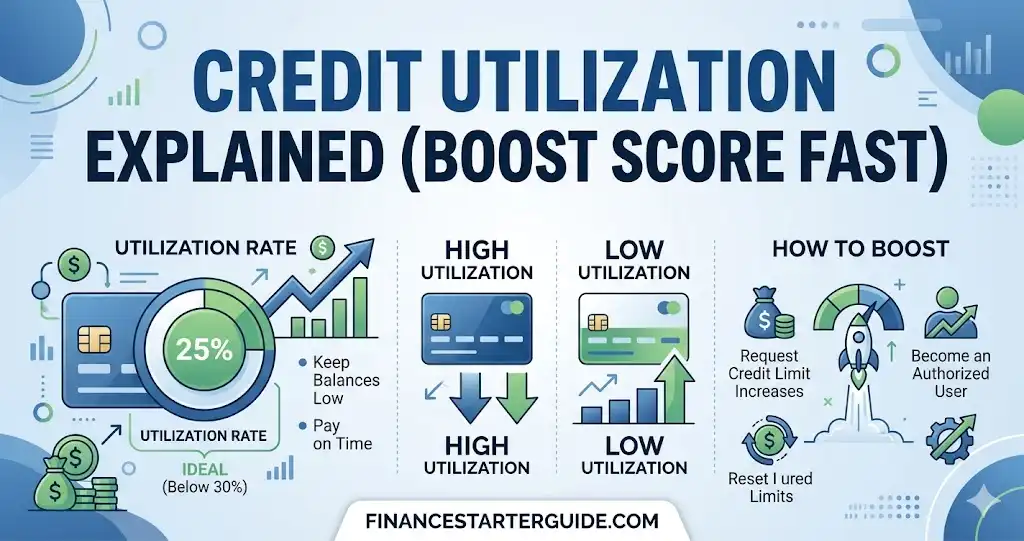
Results vary depending on how numerous missed out on payments you have and how far unpaid they are. Missed out on payments stay on your report for 7 years, but their effect fades over time. Your credit usage ratio, the quantity of credit you're using versus what's readily available, represent 30% of your FICO Score and 20% of your VantageScore.
Within a month of your brand-new usage ratio being reported to the credit bureaus. That card's credit limitation and history get factored into your own score.
As a licensed user, the primary cardholder's behavior affects your credit too. Once it's approved and reported, it can lower your credit utilization and improve your credit rating.
The key is to not include to those balances. If your income has increased or you have a strong payment history, you're an excellent candidate for an increase. Ask your company whether a tough query is needed initially, as that can temporarily lower your score. Fast once the greater limitation is reported to the bureaus, your usage ratio drops and your rating ought to follow.
You can also contest the information if it's incorrect or too old to be listed. FICO 8, the most typically utilized variation, counts paid and overdue collections on debts of $100 or more. More recent designs, FICO 9 and 10, overlook paid collections totally and treat unsettled medical collections less badly.
The Secret to Successful Wealth Building This YearEffective Strategies for Repairing Poor Credit Fast
Get tailored financial obligation relief options that may minimize what you owe and assist you gain back monetary stability. These cards are backed by a money deposit (usually paid in advance), which functions as your credit limit. They work like a routine credit card and report your payment history to the bureaus the very same method, so constant on-time payments develop your rating with time.
Not all scoring designs factor in this information, but where it's thought about, a constant record of on-time payments can meaningfully improve your score. As soon as the details is reported to the bureaus.
Don't close old accounts, even ones you rarely use. Keep your very first credit card active by putting a little repeating charge on it, like a streaming subscription, and pay it off each month. Closing old accounts reduces your credit rating and can increase your credit utilization. Integrated, this might lower your credit rating.
Closing your oldest account decreases your typical account age, increases credit utilization and can decrease your rating when reported to the credit bureaus. It accounts for 10% of your FICO Score and is not factored into VantageScore at all.
Be cautious of taking out brand-new credit just for the sake of enhancing your credit. Concentrate on organically blending your credit with time. Fast once the new account is reported to the bureaus, you might see a change within a billing cycle. See LendingTree's complete guide on how your credit rating is computed.
Evaluating Credit Repair and Financial Options
The time it takes will depend on the specific aspects impacting it and the actions you take to change them. A credit line increase or ending up being a licensed user can show results within a billing cycle.
The Secret to Successful Wealth Building This Year
Don't close old accounts, even ones you hardly ever use. For example, keep your very first credit card active by putting a little recurring charge on it, like a streaming membership, and pay it off monthly. Closing old accounts shortens your credit history and can increase your credit utilization. Combined, this might lower your credit history.
Closing your oldest account decreases your average account age, increases credit usage and can decrease your rating when reported to the credit bureaus. It represents 10% of your FICO Score and is not factored into VantageScore at all. If you just have credit cards, securing a small personal loan might boost your score.
Be careful of taking out brand-new credit just for the sake of enhancing your credit. Concentrate on organically mixing up your credit in time. Fast once the new account is reported to the bureaus, you may see a modification within a billing cycle. See LendingTree's complete guide on how your credit rating is calculated.
The time it takes will depend on the private aspects impacting it and the actions you take to alter them. A credit limit boost or becoming an authorized user can reveal outcomes within a billing cycle. Recuperating from missed out on payments or collections can take months. Fortunately: negative products fade in effect gradually and fall off your report entirely within seven to ten years.
The Complete Roadmap to Higher Credit Scores
Do not close old accounts, even ones you seldom utilize. For example, keep your first credit card active by putting a small repeating charge on it, like a streaming subscription, and pay it off monthly. Closing old accounts reduces your credit rating and can increase your credit usage. Combined, this could lower your credit rating.
Closing your oldest account lowers your typical account age, increases credit utilization and can reduce your rating when reported to the credit bureaus. It accounts for 10% of your FICO Rating and is not factored into VantageScore at all.
Be wary of taking out brand-new credit just for the sake of enhancing your credit. Focus on organically blending up your credit over time.
The time it takes will depend on the individual aspects impacting it and the steps you take to alter them. A credit line boost or ending up being a licensed user can reveal results within a billing cycle.

Latest Posts
Methods to Increase Credit Score Fast 2026
Effective Strategies for Fixing Poor Credit Quickly

Locating Free Credit Counseling Near Me in 2026